
Agile Project Management #2
2 min readBy Aerotix
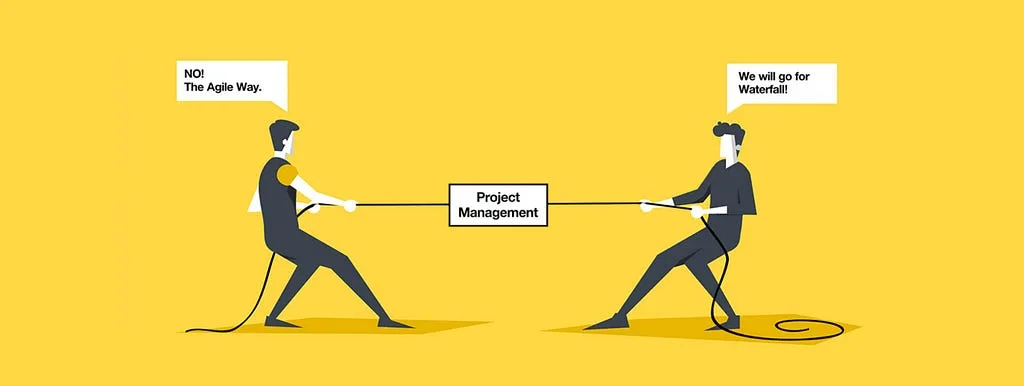
The choice between Agile and Waterfall project management methodologies depends on various factors such as project requirements, team dynamics, organizational culture, and customer preferences
When considering project management methodologies, the choice between Agile and Waterfall approaches can significantly impact the success and efficiency of a project.
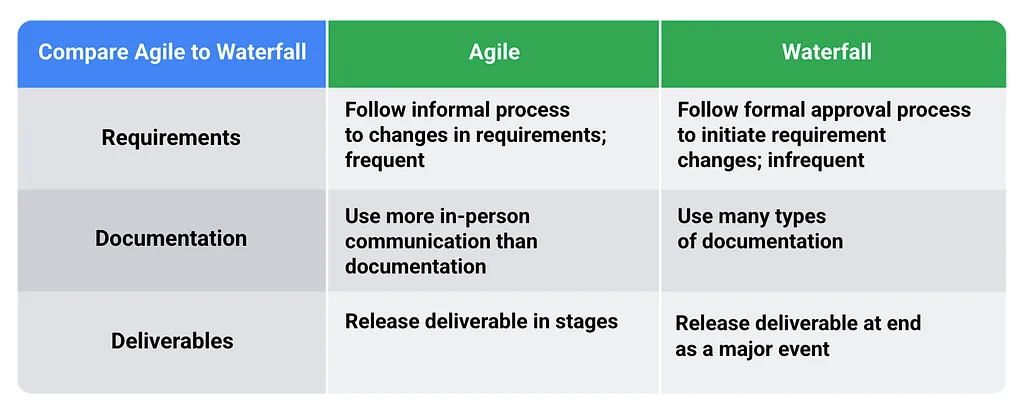
Agile methodology emphasizes adaptability, collaboration, and iterative development, making it well-suited for projects with evolving requirements and dynamic environments.
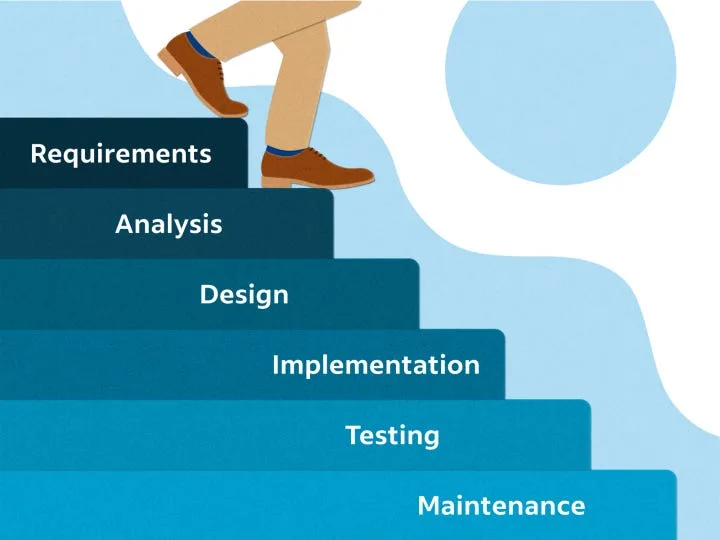
Conversely, the Waterfall approach follows a sequential, linear process, with each phase completed before moving on to the next, making it ideal for projects with well-defined requirements and predictable outcomes.
Understanding the differences between Agile and Waterfall methodologies is crucial for selecting the most suitable approach based on project objectives, scope, and stakeholders’ preferences.
Agile:-
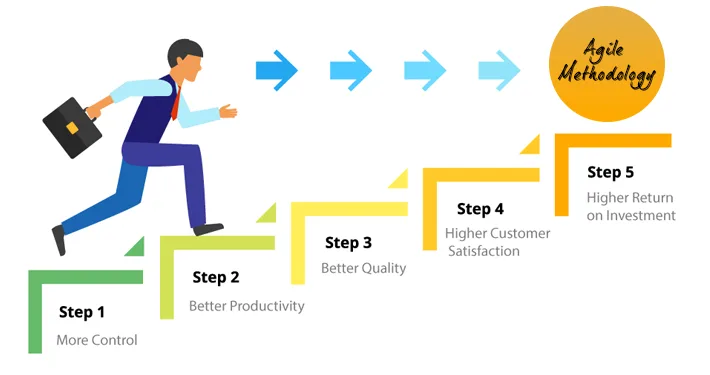
Iterative and incremental: Agile projects are divided into short iterations or sprints, allowing for continuous improvement and adaptation to changing requirements.
Customer collaboration: Agile emphasizes close collaboration with customers and stakeholders throughout the project, ensuring that their feedback is incorporated into the development process.
Flexibility: Agile projects are highly flexible and can accommodate changes in requirements, priorities, and market conditions.
Emphasis on individuals and interactions: Agile values the contributions of team members and emphasizes collaboration, communication, and self-organization.
Continuous delivery: Agile focuses on delivering working increments of the product at the end of each iteration, providing value to customers early and often.
Waterfall:-
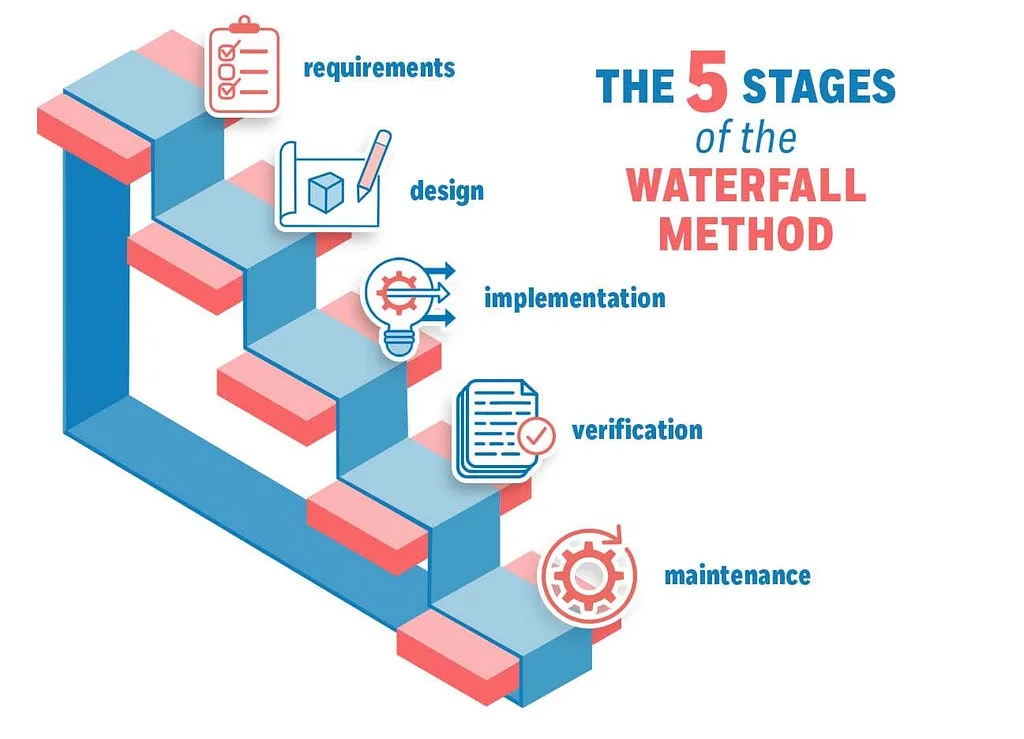
Sequential and linear: Waterfall projects follow a sequential approach, with distinct phases such as requirements gathering, design, implementation, testing, and deployment.
Comprehensive planning upfront: In Waterfall, detailed planning is done at the beginning of the project, and each phase is completed before moving on to the next, making it less adaptable to changes.
Minimal customer involvement: Waterfall projects typically have limited customer involvement until the later stages of development when the product is ready for testing and validation.
Predictability: Waterfall provides a clear roadmap and timeline for the project, making it easier to estimate costs and timelines upfront.
Emphasis on documentation: Waterfall projects rely heavily on documentation, with each phase requiring comprehensive documentation before moving on to the next.
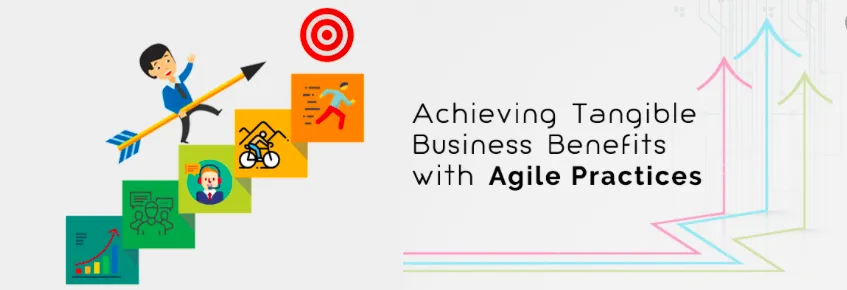
Is Agile Better?
Or is Waterfall Better?
The choice between Agile and Waterfall methodologies depends on various factors such as project requirements, team dynamics, organizational culture, and customer preferences. Neither Agile nor Waterfall is inherently “better” than the other; rather, each has its own strengths and weaknesses.
Ultimately, the choice between Agile and Waterfall depends on the specific needs and characteristics of the project and organization. It’s essential to carefully evaluate the requirements, constraints, and objectives of the project before selecting the most suitable methodology. In some cases, a hybrid approach that combines elements of both Agile and Waterfall may be the best fit for certain projects.
You may also refer to the other articles to ensure comprehensive familiarity with the information provided.